ONE PIECE

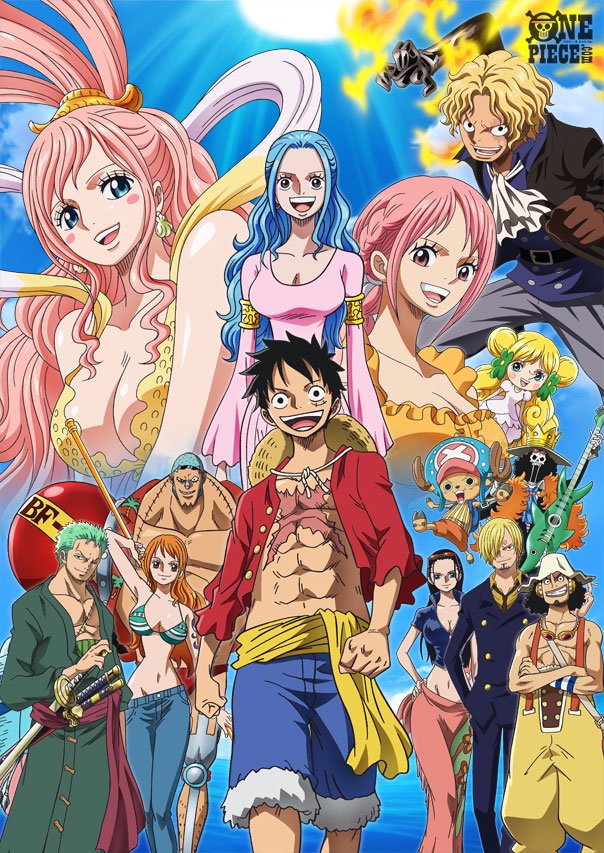
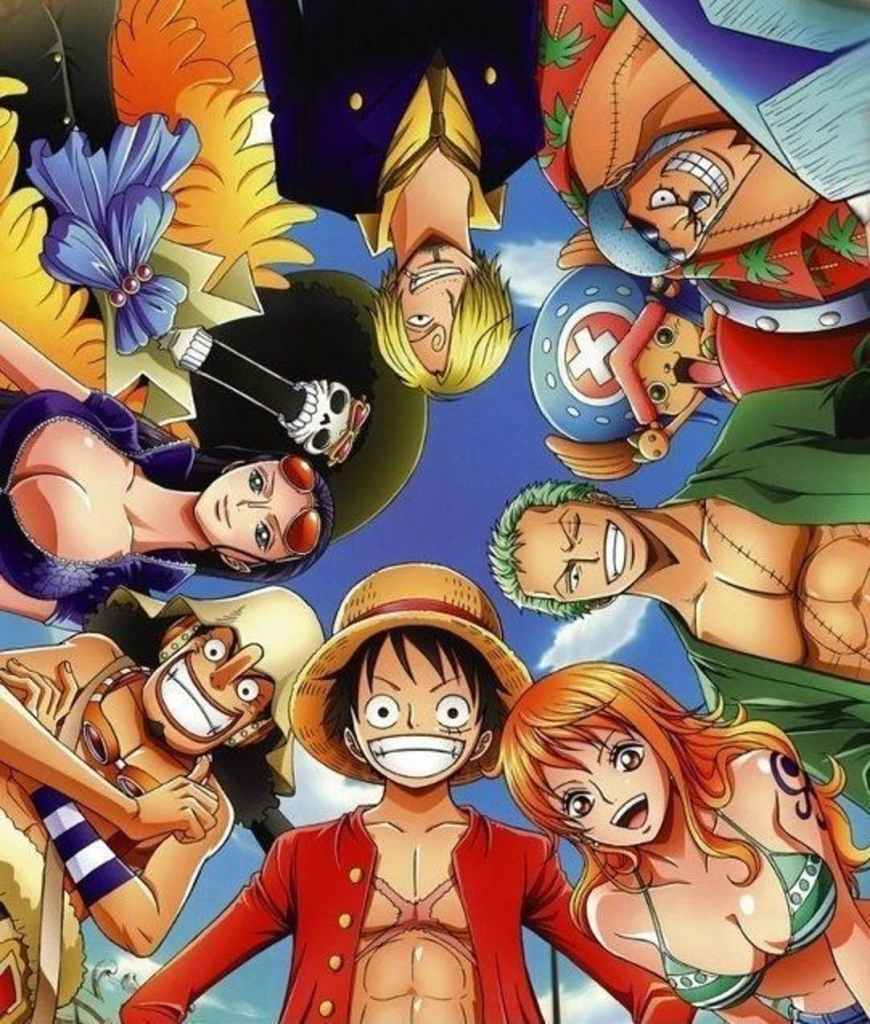
One Piece (Japanese: ワンピース HepburnWan Pīsu) is a Japanese manga series written and illustrated by Eiichiro Oda. It has been serialized in Shueisha‘s Weekly Shōnen Jump magazine since July 22, 1997, and has been collected into 94 tankōbon volumes. The story follows the adventures of Monkey D. Luffy, a boy whose body gained the properties of rubber after unintentionally eating a Devil Fruit. With his crew of pirates, named the Straw Hat Pirates, Luffy explores the Grand Line in search of the world’s ultimate treasure known as “One Piece” in order to become the next King of the Pirates.

The manga spawned a media franchise, having been adapted into a festival film produced by Production I.G, and an anime series produced by Toei Animation, which began broadcasting in Japan in 1999. Additionally, Toei has developed thirteen animated feature films, one original video animation and thirteen television specials. Several companies have developed various types of merchandising and media, such as a trading card game and numerous video games. The manga series was licensed for an English language release in North America and the United Kingdom by Viz Media and in Australia by Madman Entertainment. The anime series was licensed by 4Kids Entertainment for an English-language release in North America in 2004, before the license was dropped and subsequently acquired by Funimation in 2007.

One Piece has received praise for its storytelling, art, characterization, and humor. Several volumes of the manga have broken publishing records, including the highest initial print run of any book in Japan. The official website for Eiichiro Oda’s One Piece manga announced that the manga has set the Guinness World Record for “the most copies published for the same comic book series by a single author”. As of November 2019, the manga has sold 460 million copies in 43 countries worldwide,[2] making it the best-selling manga series in history. It became the best-selling manga for the eleventh consecutive year in 2018. One Piece is one of the highest-grossing media franchises of all time, estimated to have generated more than $21 billion in total franchise revenue, from the manga, anime, films, games and merchandise.
NARUT0

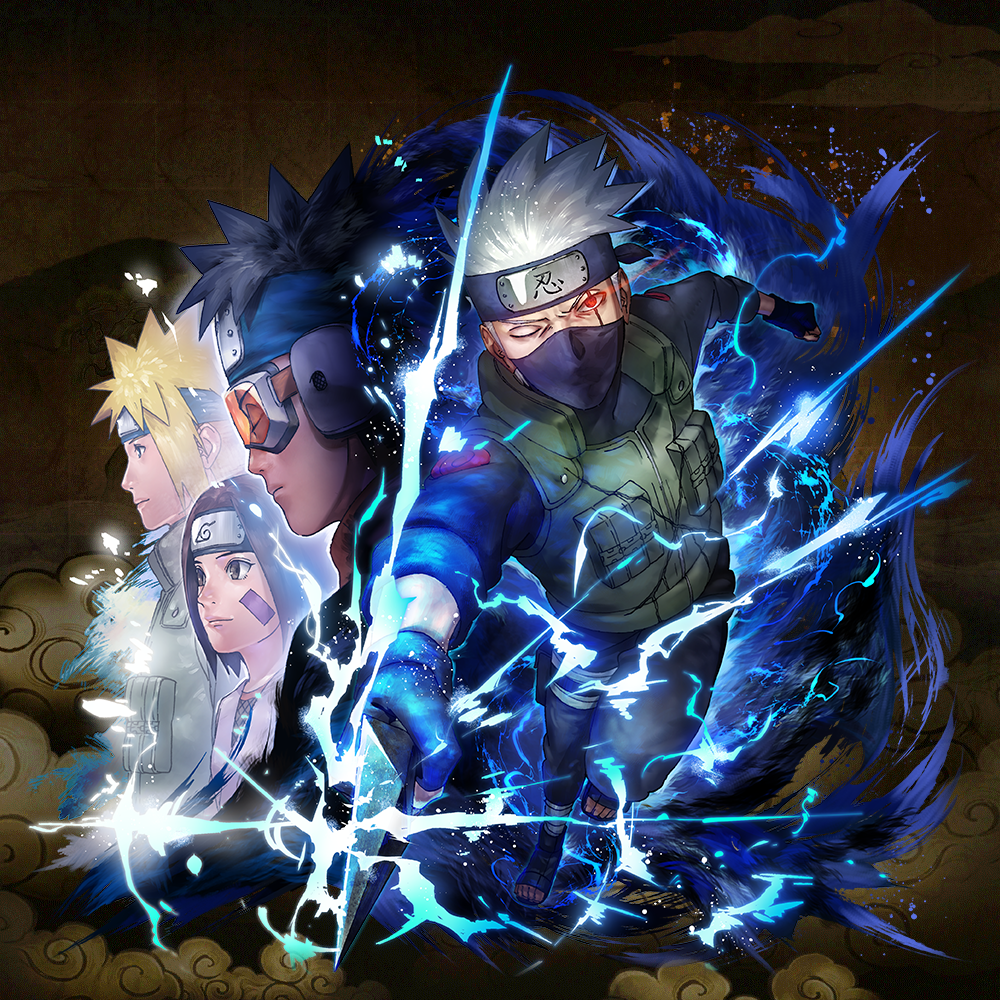
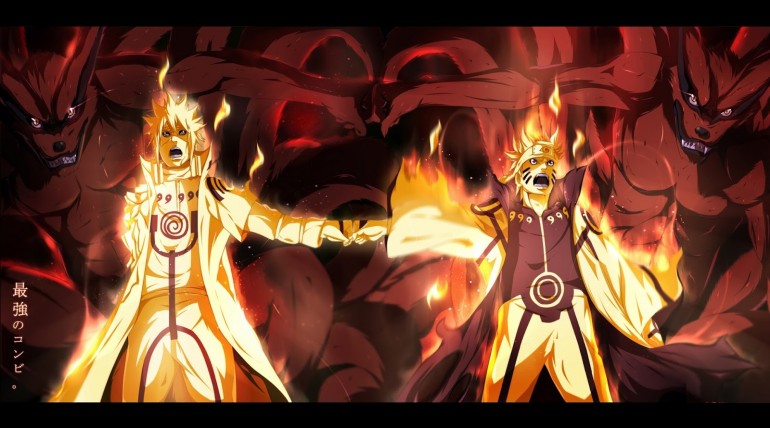
Naruto (ナルト) is a Japanese manga series written and illustrated by Masashi Kishimoto. It tells the story of Naruto Uzumaki, a young ninja who seeks to gain recognition from his peers and also dreams of becoming the Hokage, the leader of his village. The story is in two parts, the first set in Naruto’s pre-teen years, and the second in his teens. The series is based on two one-shot manga by Kishimoto: Karakuri (1995), which earned Kishimoto an honorable mention in Shueisha‘s monthly Hop Step Award the following year, and Naruto (1997).

Naruto was serialized in Shueisha’s magazine, Weekly Shōnen Jump from 1999 to 2014, and released in tankōbon (book) form in 72 volumes. The manga was adapted into an anime television series produced by Pierrot and Aniplex, which broadcast 220 episodes in Japan from 2002 to 2007; the English adaptation of the series aired on Cartoon Network from 2005 to 2009. Naruto: Shippuden, a sequel to the original series, premiered in Japan in 2007, and ended in 2017, after 500 episodes. The English adaptation was broadcast on Disney XD from 2009 to 2011, airing the first 98 episodes, and then switched over to Adult Swim‘s Toonami programming block in January 2014, starting over from the first episode. The English adaptation is still airing weekly on Adult Swim to this day. Besides the anime series, Pierrot has developed eleven movies and eleven original video animations (OVAs). Other Naruto-related merchandise includes light novels, video games, and trading cards developed by several companies.

Viz Media licensed the manga and anime for North American production and serialized Naruto in their digital Weekly Shonen Jump magazine. The anime series began airing in the United States and Canada in 2005, and in the United Kingdom and Australia in 2006 and 2007, respectively. The films and most OVAs from the series were also released by Viz, with the first film premiering in movie theaters. Viz Media began streaming the two anime series on their streaming service Neon Alley in December 2012. The story of Naruto continues with Naruto’s son, Boruto Uzumaki, in Boruto: Naruto Next Generations: Boruto wishes to create his own ninja way instead of following his father’s.

Naruto is the fourth best-selling manga series in history, selling 235 million copies worldwide in 35 countries. It has become one of Viz Media’s best-selling manga series; their English translations of the volumes have appeared on USA Today and The New York Times bestseller list several times, and the seventh volume won a Quill Award in 2006. Reviewers praised the manga’s character development, strong storylines, and well-executed fight scenes, though some felt the fight scenes slowed the story down. Critics noted that the manga, which has a coming-of-age theme, makes use of cultural references from Japanese mythology and Confucianism.

DRAGON BALL

Dragon Ball Z (Japanese: ドラゴンボールZゼット HepburnDoragon Bōru Zetto, commonly abbreviated as DBZ) is a Japanese animetelevision series produced by Toei Animation. It is the sequel to Dragon Ball and adapts the latter 325 chapters of the original 519-chapter Dragon Ball manga series created by Akira Toriyama which ran in Weekly Shōnen Jump from 1988 to 1995. Dragon Ball Zaired in Japan on Fuji TV from April 26, 1989 to January 31, 1996, before getting dubbed in territories including the United StatesCanadaAustraliaEuropeAsia, and Latin America. It was broadcast in at least 81 countries worldwide.[4] It is part of the Dragon Ballmedia franchise.

Dragon Ball Z continues the adventures of Goku, who, along with his companions, defend the Earth against villains ranging from aliens (Frieza), androids (Cell) and other creatures (Majin Buu). While the original Dragon Ball anime followed Goku from childhood to early adulthood, Dragon Ball Z is a continuation of his adult life, but at the same time parallels the life of his son, Gohan, as well as the development of his rival Vegeta.

Due to the success of the anime in the United States, the manga chapters making up its story were initially released by Viz Media under the Dragon Ball Z title. Dragon Ball Z’s popularity has spawned numerous releases which have come to represent the majority of content in the Dragon Ball franchise; including 15 movies, 2 TV specials, and 148 video games (many of them being only released in Japan), and a host of soundtracks stemming from this material. Dragon Ball Z remains a cultural icon through numerous adaptations and re-releases, including a more-recent remastered broadcast titled Dragon Ball Kai.There have also been two sequel series; Dragon Ball GT (1996–1997) and Dragon Ball Super (2015–2018).

Design a site like this with WordPress.com
Get started